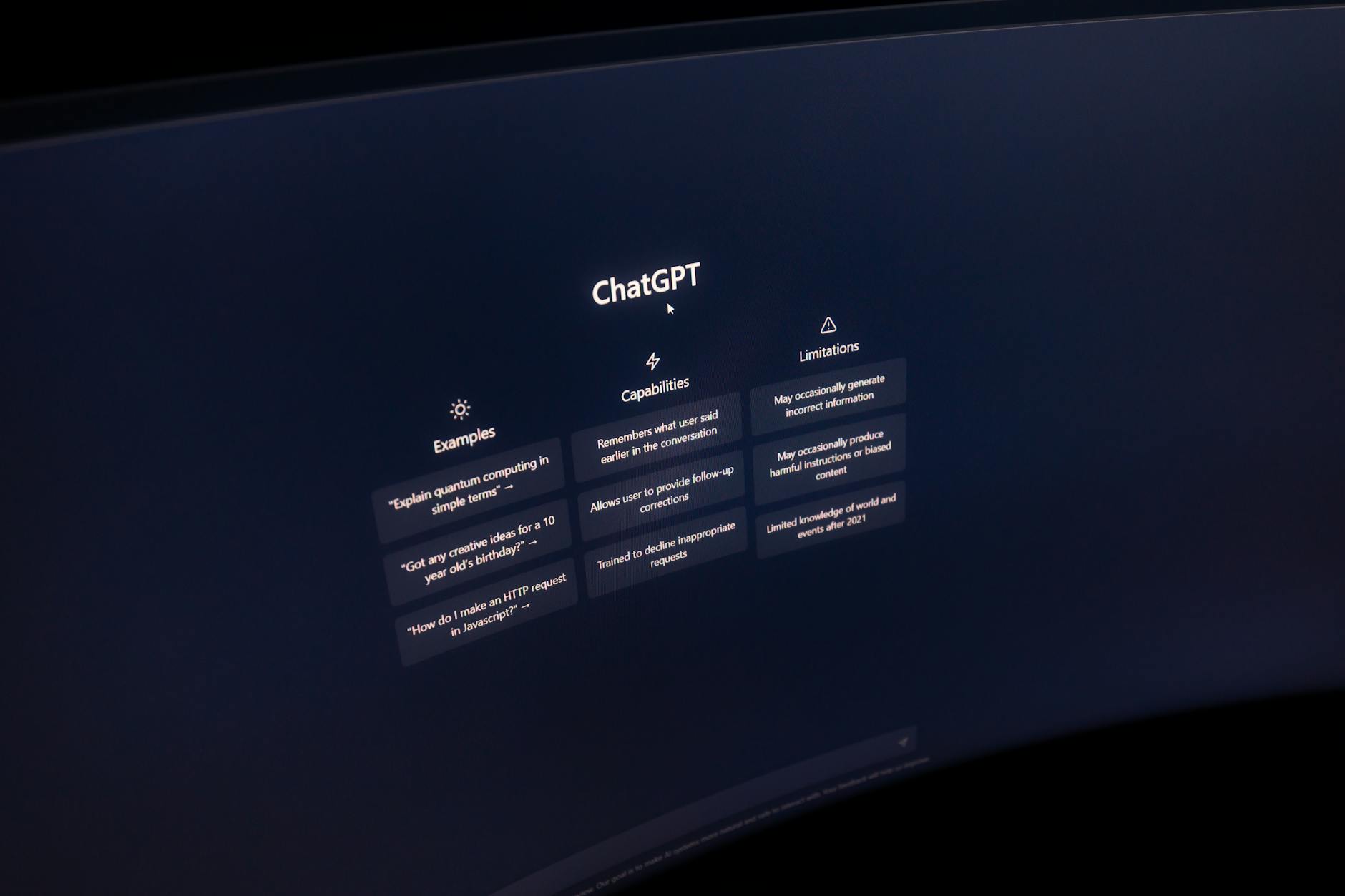
Over the next 10 years, we expect that trust in AI and Large Language Models (LLMs) will parallel how trust in Wikipedia evolved. As LLMs improve quickly, one still expects hesitation among potential adopters who are risk-conscious. LLMs and AI are prone to mistakes and usually do not self-correct unless called out. Similar behavior set back the emergence of Wikipedia, and one may predict similar issues for trust in AI broadly.
Trust in Wikipedia
Wikipedia represents the most popular attempt to catalog as much knowledge as possible onto one platform on the internet. Unlike LLMs, Wikipedia relies on anonymous editors to regulate page drafting and editing. While this approach has been mostly reliable once given enough time, the platform has had its share of self-acknowledged notable incidents.
Firstly, mistakes are made and not always found in a timely manner. This concern mirrors LLM training, which may lag behind the latest news. Unlike Wikipedia, in which edits can take effect quickly, LLMs cannot rely on training to keep up with current events. Rather, additional algorithms are applied to complement the LLM itself. Secondly, while experts supply reliable information for sports, movies, literature, etc., the publication approach of Wikipedia initiates controversy where facts are not as absolute, such as national sovereignty.
As far as calculating the level of trust in Wikipedia, a recent article from NIH shows the steady growth in citations within scientific and general papers in academic journals. Although academics are a small fraction of the population, this increasingly acceptable trend among risk-averse publishers demonstrates that acceptance and reliability is on the rise.
Trust in AI and LLMs
LLMs such as ChatGPT and countless others have spread in usage exponentially, but almost always with a caveat that the user should take their output with a grain of salt. However, as generative and predictive AI is used for so many applications, e.g. camera monitoring, stock trading, graphic design, etc., trust in AI is expected to rise as well and one may expect that liability and risk will be transferred from the user to the AI itself, emotionally if not legally.
AI and Wikipedia are both subject to lagging behind news and cultural updates. As alluded to before, LLMs use Retrieval-Augmented Generation to account for updates since their last training, e.g. celebrity deaths or sports scores. Unlike Wikipedia, AI has more flexibility to tailor any discussion about controversial or unsettled topics, since they can learn about your perspectives and is not restricted by publication standards, e.g. word counts or excessive citations.
NIH has published its findings on trust in AI, specifically ChatGPT. The article establishes that trust preempts its use and that AI companies are generally aware of methods to increase trust, such as resourcefulness, ease of use, and human-like response. However, specific to health care, it again warns against excessive trust in AI at the expense of neglecting medical professionals. Every industry has some semblance of risk mitigation, and it will be interesting to see how the acceptance of giving blame versus taking credit for success plays out.
Differences in Expectations
The biggest difference between Wikipedia and AI involves the publisher. Wikipedia is currently an open-source platform for human writers and editors. LLMs use training data to generate responses without human interference. Currently, Wikipedia has banned the use of AI to edit or update its 7.1 million articles. Whether that policy stands remains to be seen. Perhaps, there will one day be an inflection point where Wikipedia’s own trust in AI is sufficient to permit page edits.
Within Bent Tree Writing, we are excited about the potential of AI long-term. In the short term, we recommend human review of any AI-generated text that could become published. We follow the IBM principle, from long before current generative AI capabilities, which demands human decision making no matter how much computation was involved.
Why Bent Tree Writing?
Bent Tree Writing is a Texas-based writing duo, leveraging our combined technical and compliance backgrounds for regulated small businesses. With expertise in compliance and structured documentation, we produce high-quality content ranging from procedural manuals to strategic communications. Whether you are scaling your organization or strengthening existing systems, our work is tailored to your industry, audience, and operational needs. We are happy to discuss any projects needing technical writing or operational support.


One response to “Will Trust in AI Follow the Trend of Trust in Wikipedia?”
Very informative and well written. Thank you